Email Us
nicoledai@sundi-wpc.com
Call us
+86-13357804798

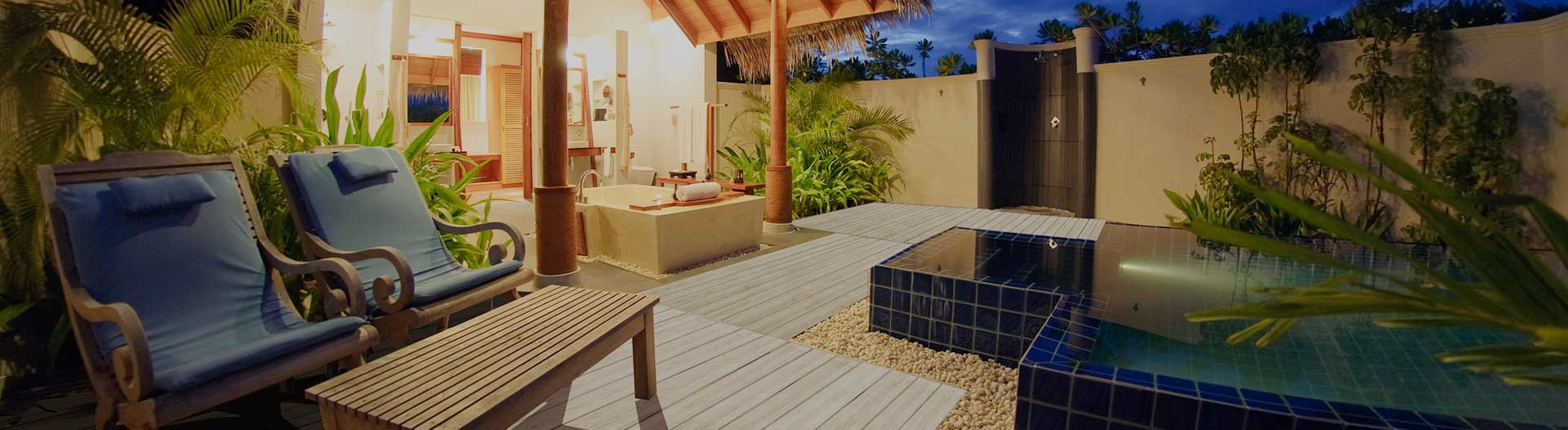
Modern architecture increasingly relies on modern cladding materials that combine durability, aesthetics, and energy efficiency. These materials are widely used in residential, commercial, and industrial projects, especially in cladding materials for buildings, where performance and appearance are equally important.
From exterior façades to interior decorative surfaces, modern cladding systems play a key role in protecting structures while enhancing architectural identity.
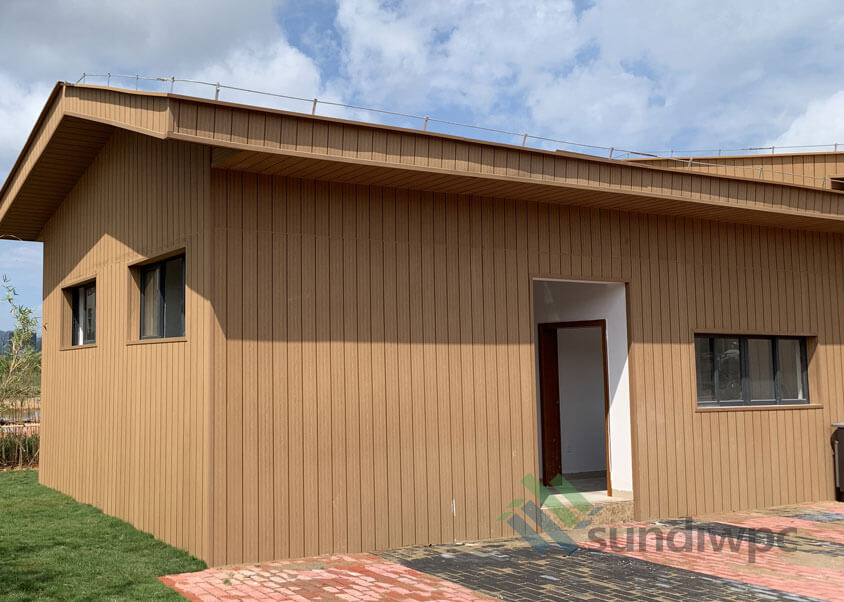
WPC cladding is the perfect solution to protect your house from natural damage.
Easy to install
Compared with other wall decoration materials, WPC is light in weight, so it can be installed effectively and seamlessly.
Durable
WPC wall cladding is very durable. After proper maintenance, it can last for several years. In addition, its impact resistance can protect your house from immediate damage.
Energy Efficient
WPC products have high insulation properties. Compared with concrete and steel, their thermal conductivity is extremely low.
Versatile
WPC cladding can be used in various home designs because they can be trimmed to any size and shape. WPC cladding also has various patterns. These can be used in any architectural design, and their flexibility allows them to be used in projects of any size.
ECO Friendly
Unlike the usual non-renewable building materials, WPC products are natural renewable resources. Compared with other materials used in construction, it contains the least amount of non-renewable materials. On the other hand, their recyclable properties make them the most environmentally friendly products used in building houses and are widely adopted across modern wpc products applications.
The stone cladding helps to create a natural stone look and at the same time brings a sense of style and elegance to your walls. The stone cladding is very suitable for internal and external use.
The wooden cladding helps to create an attractive appearance and is a great way to protect your house from elements. Suitable for both interior and exterior, it helps to create a very unique feature. Among traditional cladding types, it remains popular due to its natural texture and timeless design.
The glass cladding helps change the appearance of your building and offers various customization and design options. This cladding offers a variety of tempering, lamination, bending and enamelled options while being cost-effective and economical.
Aluminum is an extremely popular choice for cladding and is widely used for cladding purposes. The aluminum cladding has first-class recyclability and minimum maintenance, and will not rust or corrode like other metals.
Selecting the right option from different cladding types depends on several key factors:
Climate conditions (UV exposure, humidity, rainfall)
Maintenance requirements and long-term cost
Architectural style and aesthetic preference
Project type (residential, commercial, industrial)
Budget and lifecycle performance
Among all options, WPC remains one of the most balanced cladding materials for buildings, offering durability, low maintenance, and strong design flexibility for modern construction projects.
For large-scale construction and procurement projects, many buyers source materials directly from professional wpc cladding factories to ensure consistent quality and cost efficiency.
Cladding plays a critical role in both protecting and enhancing buildings. Whether choosing stone, wood, glass, aluminum, or WPC, each material offers unique advantages depending on project requirements.
As one of the most widely adopted solutions in modern architecture, WPC cladding stands out for its balance of durability, sustainability, and aesthetic versatility—making it a preferred choice in contemporary modern cladding materials systems.
 English