Email Us
nicoledai@sundi-wpc.com
Call us
+86-13357804798

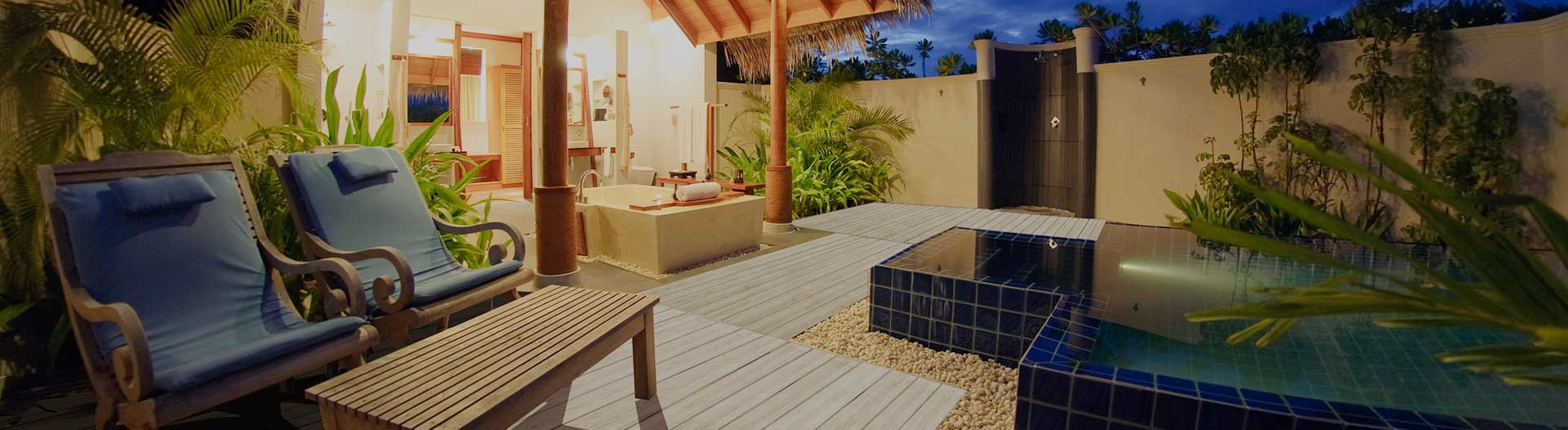
With the continuous popularity of wood plastic flooring, more and more businesses and decoration families are using it. However, some people have insufficient knowledge of wood plastic flooring, which leads to prejudice. Then, what are the prejudices against wood plastic flooring? What is the actual situation?
1. The higher the wear resistance of the wood-plastic floor, the better
When consumers buy wood-plastic floor tiles, they have a "misunderstanding" about the wear resistance of the floor, thinking that the higher the number, the better the product. So when buying the floor, some merchants also used this to blow their products to 10,000 revolutions, 15,000 revolutions, or even 20,000 revolutions. As a result, consumers were bluffed, but they ignored other issues.
In fact: the right "high" degree is the best.
While buying wood-plastic floors, we must consider the number of wear-resistant revolutions, but we cannot blindly demand "high". There are indeed many businesses that lie about the turnover, but when you buy wood-plastic flooring, you should still consider the environment and the cost-effectiveness of the product. If the number of people in the family is relatively small, choose 8000 revolutions or more; and in public places such as shopping malls, schools, office buildings, hotels, bars, and other places where the flow of people is relatively concentrated, the wear resistance of wood-plastic floor tiles is required to be high. For some, you should choose more than 10,000 to 30,000 revolutions. Different positions have different requirements.
2. Solid wood flooring is the best choice
Wood flooring is generally divided into solid wood flooring, solid wood composite flooring, wood plastic flooring, and laminate flooring. Many people think that solid wood flooring must be the best. Other floors are either not functional or environmentally friendly, which are cannot be compared with solid wood flooring. However, there are many solid wood floors on the market that are not completely solid wood.
In fact: WPC flooring is no worse than solid wood flooring
Since WPC flooring appeared on the market, many businesses and home improvement customers have chosen to use it for decoration. The advantage of solid wood flooring is that it has a good foot feel and high environmental protection. The disadvantage is that it is easily affected by the indoor environment and has problems such as arching, warping, and deformation, and it is difficult to maintain. Wood-plastic flooring has a comfortable foot feel of solid wood flooring. It also overcomes the shortcomings of solid wood flooring that is easy to deform. Therefore, compared with solid wood flooring, wood-plastic flooring has stronger decoration, maintenance, service life, waterproof and flame-retardant, and can solve the problems that solid wood flooring cannot solve.
3. The higher the price, the better
One criterion for choosing building materials is to choose only the right ones, not the expensive ones. The price of solid wood flooring is about 300-600 yuan, the price range of solid wood composite flooring is about 300 yuan, and wood-plastic flooring is about 60-200 yuan. Everyone should choose the floor according to their own economic situation. Because the wood-plastic floor tiles on the market can meet the requirements in terms of hardness and craftsmanship, there is no need to blindly pursue expensive floors.
Before making your final decision, here is a quick summary of the actual situation regarding WPC decking and common market misconceptions.
Wear Resistance: * Residential: 8,000+ revolutions is the industry standard for durability.
Commercial: 15,000 - 25,000+ revolutions are recommended for high-traffic areas like malls and schools.
Maintenance: * WPC: Low to Zero. No painting, staining, or oiling is required for its entire lifespan.
Solid Wood: High. Requires annual sanding and sealing to prevent decay.
Durability: * WPC: High resistance to UV, rot, mold, and termites. Stable in all weather conditions.
Solid Wood: Prone to warping, splitting, and biological decay when exposed to moisture.
Environmental Impact: * WPC: 100% Recyclable. Made from reclaimed wood powder and HDPE, reducing plastic waste.
Solid Wood: Risks of deforestation; often requires chemical treatments (VOCs) to maintain.
Is higher wear resistance always better when choosing WPC decking?
Not necessarily. While some merchants claim 20,000+ revolutions, 8,000+ is the ideal standard for residential use. Higher counts (15,000-25,000) are specifically designed for high-traffic commercial areas like shopping malls or schools. Choosing the right level based on your environment ensures the best balance of cost and performance.
Is solid wood more eco-friendly than WPC decking?
Actually, WPC is often a more sustainable choice. While solid wood is natural, it contributes to deforestation and often requires toxic chemical treatments (VOCs) for maintenance. Sundi WPC is made from 100% recyclable reclaimed wood powder and HDPE, requiring no harmful stains or oils throughout its life.
Does WPC decking really feel like "cheap plastic"?
This is a common myth. High-quality WPC, especially those with a high wood fiber ratio (like our 70% wood powder series), maintains the natural warmth and matte texture of real timber. It overcomes wood's weaknesses—like warping and splintering—while providing a comfortable "foot feel."
Is WPC decking a more expensive investment than solid wood?
The upfront cost of WPC may be similar to mid-range solid wood, but it is much cheaper in the long run. Solid wood requires annual sanding, sealing, and expensive maintenance. WPC is virtually maintenance-free and has a longer lifespan, offering a significantly higher ROI over 10-20 years.
 English