Email Us
nicoledai@sundi-wpc.com
Call us
+86-13357804798


WPC (Wood Plastic Composite) fencing is celebrated for its durability and low maintenance. However, even the highest-quality boards from the best Chinese factories can fail if the installation is flawed.
Unlike traditional timber, WPC has unique physical properties—specifically regarding thermal expansion—that require a specialized approach. To ensure your fence stands straight and stays beautiful for 20+ years, avoid these five common installation blunders.
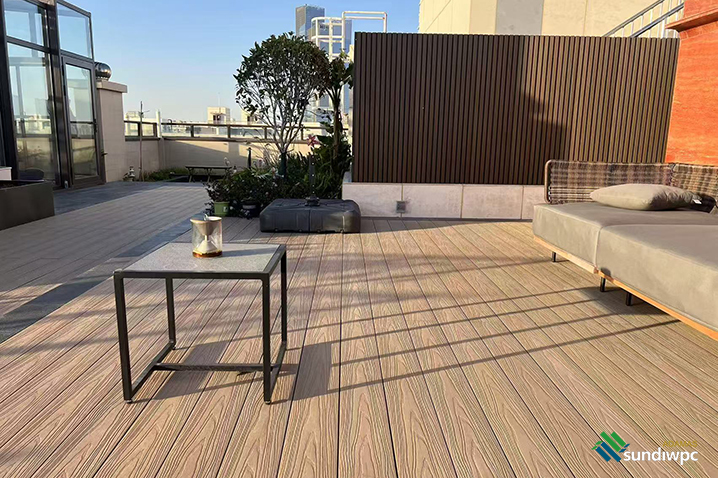
WPC is composed of wood fibers and HDPE plastic. This means it will expand and contract as temperatures change.
The Mistake: Fitting boards tightly against posts or each other without any clearance.
Forgetting to leave an expansion gap. If your contractor pinned the boards too tightly, the summer heat will cause them to buckle. If you are already dealing with this problem, read our guide on how to fix WPC fence expansion issues to trim them down safely."
The Result: On a hot summer day, the boards will have nowhere to go but to warp, buckle, or even crack the post channels.
The Fix: Always leave a 3–5mm gap at the ends of the boards (depending on the temperature during installation). Use spacers to ensure consistency throughout the project.
It’s tempting to save money by spacing posts further apart to use fewer materials.
The Mistake: Exceeding the manufacturer’s recommended span (usually 1.8m to 2.0m).
The Result: Over time, the weight of the WPC boards, combined with gravity and heat, will cause the fence to sag in the middle, creating an unsightly "frown" look.
The Fix: Strictly adhere to a maximum center-to-center distance of 1.8 meters unless using reinforced heavy-duty rails.
A fence is only as strong as its foundation. WPC boards are significantly heavier than natural cedar or pine.
The Mistake: Shallow post holes or filling the hole entirely with concrete without a drainage layer.
The Result: "Frost heave" in cold climates can push the posts out of the ground, while trapped moisture at the base can lead to premature structural instability.
The Fix: Ensure posts are buried at least 1/3 of their total height deep. Add a layer of gravel at the bottom of the hole before pouring concrete to allow water to drain away from the post base.
WPC is much denser than standard softwood.
The Mistake: Driving screws directly into the material without pre-drilling.
The Result: The high density of the composite can cause the board to split or mushroom around the screw head. It also creates internal stress that can lead to cracks later.
The Fix: Always use a drill bit slightly smaller than your screw diameter to create a pilot hole first. This ensures a clean, professional finish and prevents structural damage.
Standard interior screws will rust and fail within a year when exposed to the elements and the chemicals in composite materials.
The Mistake: Using galvanized or zinc-plated screws to save costs.
The Result: Rust streaks will ruin the aesthetics of your WPC boards, and the fasteners may eventually snap, causing panels to fall.
The Fix: Use only 304 or 316 Stainless Steel screws. They are corrosion-resistant and specifically designed to withstand the outdoor lifespan of WPC.
Step | Action Item |
Foundation | 1/3 post depth + Gravel drainage |
Spacing | Max 1.8m between posts |
Expansion | 3-5mm end-to-end gaps |
Fastening | Pre-drill + Stainless Steel screws |

 English