Email Us
nicoledai@sundi-wpc.com
Call us
+86-13357804798

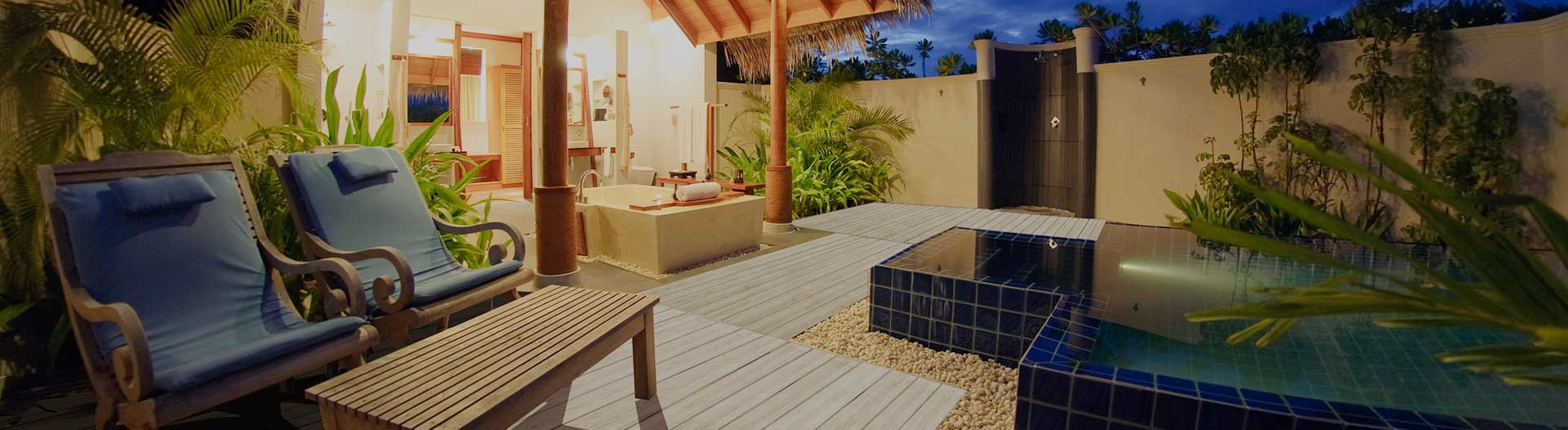
When designing an outdoor living space, a pergola is often the crowning jewel. It defines the area, provides shade, and adds undeniable architectural beauty to any backyard, garden, or commercial terrace.
For years, traditional wood was the go-to choice for constructing these outdoor structures. However, with the rise of sustainable building materials, Wood-Plastic Composite (WPC) pergolas have rapidly gained market share.
If you are a property developer, landscape architect, B2B importer, or a homeowner planning a renovation, you face a critical decision: WPC Pergola vs. Wood Pergola—which is the better long-term investment?
In this comprehensive guide, we will compare these two materials across durability, maintenance, aesthetics, and total cost of ownership to help you make an informed decision.
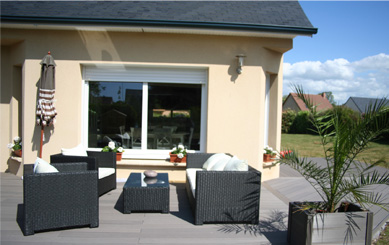
Understanding what goes into your pergola is the first step in evaluating its long-term value.
Traditional Wood Pergola: Usually built from pressure-treated lumber, cedar, redwood, or tropical hardwoods. While natural, chemical pressure treatments can sometimes raise environmental concerns, and harvesting rare hardwoods contributes to deforestation.
WPC Pergola: Engineered from a precise blend of recycled wood fibers (like sawdust), plastics (such as PE or PVC), and specialized additives.
The Green Advantage: High-quality WPC is an eco-friendly outdoor structure. By utilizing recycled plastics and wood industry byproducts, it diverts waste from landfills and reduces the demand for virgin timber, making it a highly sustainable choice for modern green building projects and a key material used in many wpc products for outdoor applications.
The upfront cost of a pergola is only part of the story. The time and money required to keep it looking pristine over the years is where the two materials diverge significantly.
Wood Pergolas (High Maintenance): Wood is inherently susceptible to nature. To prevent rotting, warping, and splitting, a wood pergola requires annual or biennial sanding, staining, sealing, or painting. Neglecting this maintenance leads to rapid deterioration.
WPC Pergolas (Maintenance-Free): A maintenance-free pergola made of composite material requires absolutely no staining, painting, or sealing. Its surface is non-porous and engineered to withstand the elements.
Cleaning: All it takes to keep a WPC pergola looking brand new is an occasional wash with soap and water or a quick rinse with a pressure washer. For B2B commercial projects or busy homeowners, this translates to massive savings in labor and upkeep costs.
Maintenance Task | Wood Pergola | WPC Pergola |
Sealing / Staining | Required every 1-2 yrs | NEVER |
Painting | Optional but high care | NEVER |
Splintering / Sanding | Common over time | NEVER |
Cleaning Process | Specialized cleaners | Simple soap & water |
Outdoor structures face a constant battle against UV rays, rain, snow, and insects.
Termites and Rot: Wood absorbs moisture. Over time, this leads to mold, structural rot, and termite infestations, especially in humid or high-rainfall climates.
Weathering: WPC is a waterproof & UV-resistant pergola solution. The plastic components protect the wood fibers from absorbing moisture, meaning it will not rot, warp, crack, or twist. Furthermore, advanced co-extrusion WPC technology features a 360-degree protective shield that offers superior resistance to fading under intense sunlight.
The Natural Look: Wood offers unmatched rustic authenticity and a natural scent. It can be painted any color, though those colors will chip and fade over time.
Modern Sophistication: Modern WPC pergola designs have evolved to closely mimic the deep textures and rich tones of natural wood grains without the accompanying flaws, making the outdoor wpc pergola an increasingly popular choice for modern backyard transformations and architectural landscaping. Available in sleek, contemporary colors like charcoal gray, dark walnut, and teak, composite pergolas deliver a clean, luxury finish that perfectly complements modern backyard transformations and architectural landscaping.
When comparing prices, a traditional pressure-treated wood pergola often has a lower initial material cost than a premium composite kit. However, looking at the Total Cost of Ownership (TCO) over a 5 to 10-year period reveals a different reality.
1. Year 1: Wood is cheaper upfront; WPC requires a higher initial investment.
2. Year 3: The wood pergola requires its first major round of power-washing, sanding, and restaining—incurring costs for materials or professional labor.
3. Year 5-7: The wood pergola requires a second or third restaining cycle. Some boards may begin to warp or crack, needing replacement. The WPC pergola has cost $0 in maintenance.
4. Year 10: The WPC pergola has fully paid for itself through the elimination of maintenance costs, while retaining its structural integrity and original aesthetic value.
While traditional wood may still appeal to those who demand absolute authenticity and don't mind the rigorous upkeep, WPC pergolas represent the future of outdoor living construction.
For B2B buyers, distributors, and contractors, offering WPC pergolas means providing clients with a high-end, wood-alternative pergola that promises longevity, zero hassle, and exceptional weather resistance.
Are you looking to upgrade your product portfolio or enhance your next outdoor project? Contact our team today to explore our premium, easy-to-install DIY WPC Pergola Kits and customizable commercial outdoor shading solutions.
 English