Email Us
nicoledai@sundi-wpc.com
Call us
+86-13357804798

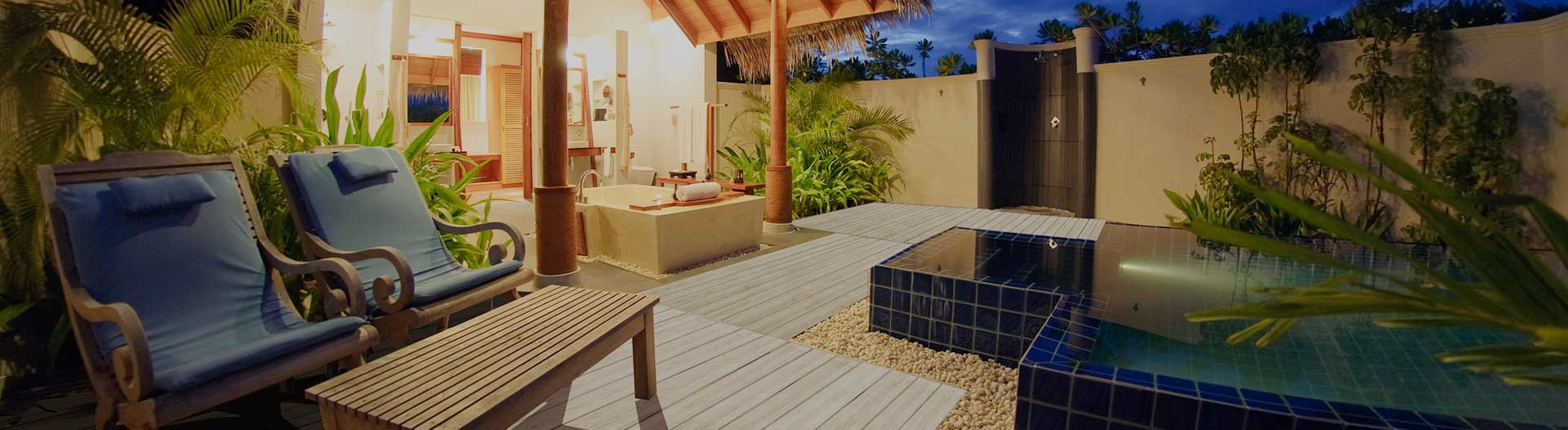
When designing a modern backyard, choosing the right material for your deck or balcony railing is crucial. For decades, natural wood was the go-to option. However, Wood-Plastic Composite (WPC) railing has emerged as a dominant competitor.
If you are debating between WPC railing vs. traditional wood railing, this comprehensive comparison will help you make the right investment.
Before diving into the comparison, it’s important to understand what WPC is. Wood-Plastic Composite is a hybrid material made from a combination of recycled plastic fibers and waste wood flour. Brands like Sundi WPC utilize this sustainable technology to create eco-friendly garden fences and handrails that mimic the natural warmth of wood while leveraging the durability of polymers.
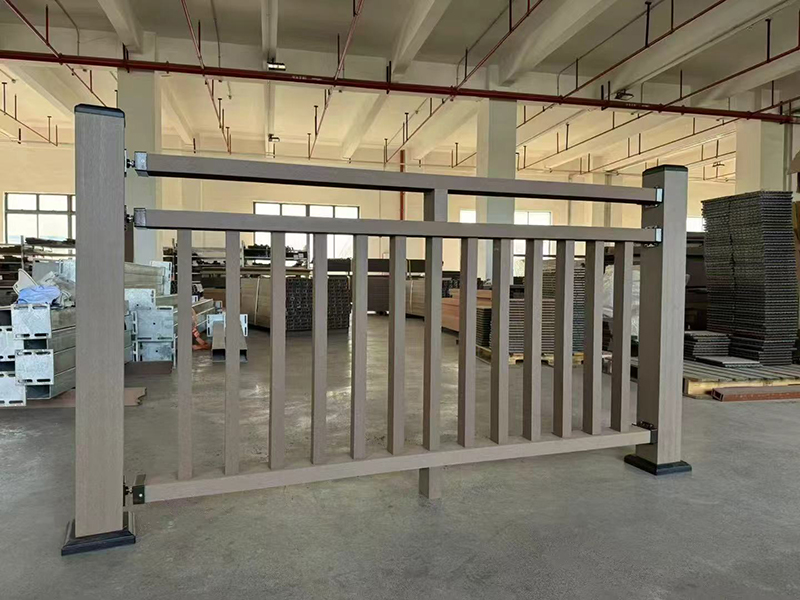
Feature | WPC Railing (Composite) | Traditional Wood Railing |
Maintenance | Virtually zero. No painting or staining required. | High. Requires annual sanding, sealing, or painting. |
Lifespan | Up to 15+ years. Resistant to rot and insects. | 5–10 years (depends heavily on maintenance and weather). |
Weather Resistance | Excellent. Won't warp, crack, or splinter from moisture. | Poor. Susceptible to rot, mold, and UV cracking. |
Eco-Friendliness | High. Made from recycled materials. | Medium. Requires cutting fresh timber; uses chemical stains. |
Upfront Cost | Higher initial investment. | Lower initial material cost. |
While a natural wood railing looks beautiful initially, it demands constant upkeep. To prevent rot and warping, you must sand and seal wood railings every 1–2 years.
On the other hand, a low-maintenance WPC railing requires no painting, staining, or sealing. An occasional wash with soapy water is all it takes to keep it looking brand new for over 15 years.
Traditional wood absorbs moisture, making it highly susceptible to mold, termites, and rotting—especially if installed near water features like artificial ponds or lakes. WPC railings are moisture-resistant, ensuring they won't splinter or warp even in humid, high-moisture coastal or lakeside environments.
Traditional wood offers a rustic, classic feel but fades and discolors under UV exposure. Modern co-extrusion WPC railings offer a sleek, contemporary appearance with long-lasting colors that resist fading, providing your villa or courtyard with a premium look that stays vibrant for years.
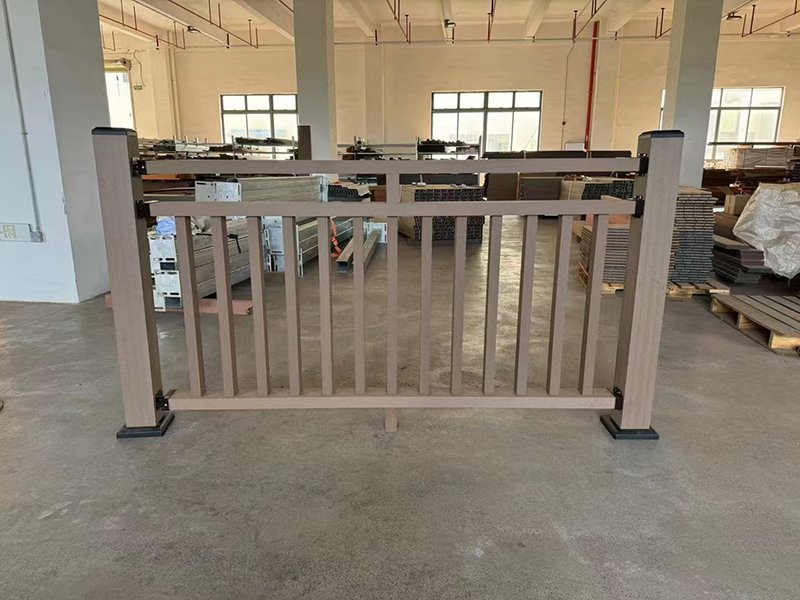
Choose Traditional Wood if: You have a strict upfront budget and enjoy the hands-on DIY process of annual wood maintenance.
Choose WPC Railing if: You want a long-term, eco-friendly solution that saves you time and money on maintenance, offering a modern look that lasts for decades.
 English