Email Us
nicoledai@sundi-wpc.com
Call us
+86-13357804798

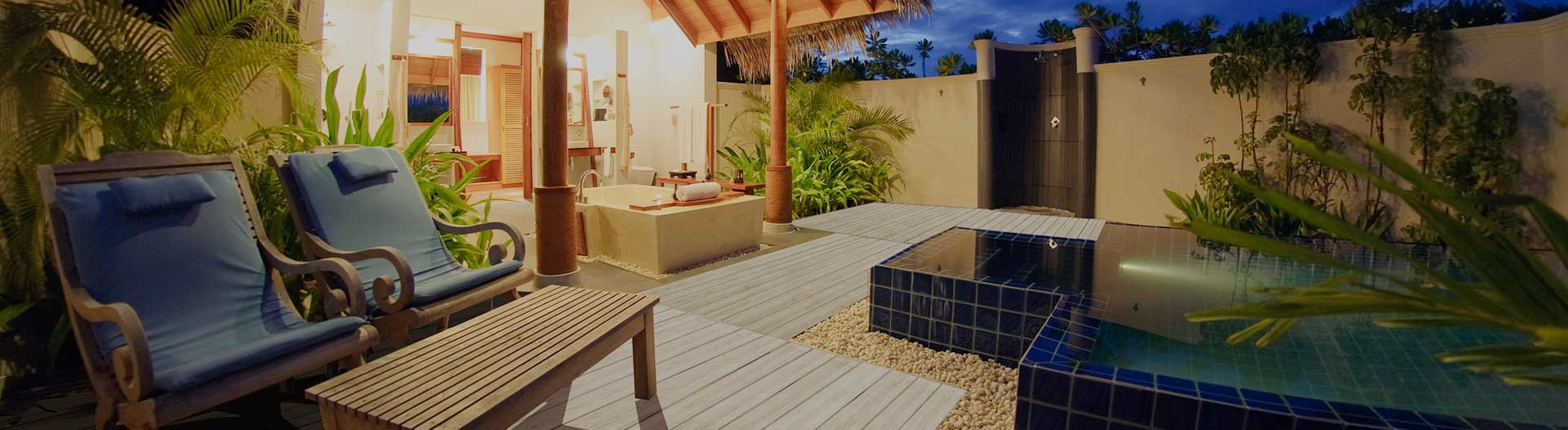
With the continuous enhancement of environmental awareness and the rapid development of the construction industry, WPC buildings have gradually become an important choice in the modern architectural field. WPC buildings not only possess excellent performance but also effectively reduce environmental impact, promoting sustainable development. Let's explore the multiple advantages of WPC buildings and their wide application in the future construction industry.
Waterproof and moisture-proof. Traditional wood tends to absorb water, swell, rot, and deform in humid environments, whereas WPC building materials completely solve this issue. They have excellent waterproof and moisture-proof properties, enabling long-term use in humid environments without being affected by weather changes, making them ideal for outdoor buildings and coastal areas.
Insect-proof and termite-proof, effectively preventing insect disturbances and extending the lifespan.
High environmental protection, non-polluting, non-hazardous, and recyclable. The product does not contain benzene substances, with a formaldehyde content of 0.2, lower than the EO-level standard, meeting European environmental standards. Its recyclability greatly saves wood usage, aligning with sustainable development concepts and benefiting society.
High fire resistance. It is effectively flame-retardant, reaching B1 level fire resistance, self-extinguishing when exposed to fire, and producing no toxic gases.
No cracking, no swelling, "zero" deformation, no need for maintenance and upkeep, easy to clean, saving on post-maintenance and upkeep costs.
Good sound absorption, excellent energy efficiency, making indoor energy savings exceed 30%.
With the deepening of environmental concepts, the application of WPC building materials has spread across major public places, such as parks, squares, scenic spots, urban constructions, and more. Especially for buildings exposed to natural environments for extended periods, using WPC building materials can avoid wood rotting, insect, and termite damage, enhancing the overall aesthetics and durability of buildings.
Moreover, WPC buildings are also suitable for home decoration, balconies, fences, outdoor flooring, and many other areas. Their aesthetics, environmental friendliness, and durability make them the first choice for an increasing number of consumers.
With continuous technological advancements and expanding applications, WPC buildings are sure to occupy a more significant position in the future construction market. Choosing WPC buildings is not only a protection for the environment but also a positive response to the concept of sustainable development.
 English