Email Us
nicoledai@sundi-wpc.com
Call us
+86-13357804798

Installing a new composite handrail or garden fence is an exciting weekend DIY project. High-quality WPC (Wood-Plastic Composite) railing kits come with a full set of accessories, making the installation process both efficient and rewarding.
However, because composite materials behave differently than pure lumber, proper preparation is key. Here is your ultimate DIY WPC railing installation guide.
Before starting your DIY project, make sure you choose high-quality WPC railing systems that fit your deck's aesthetic and learn why homeowners switch from wood to WPC railings for long-term durability and low maintenance.
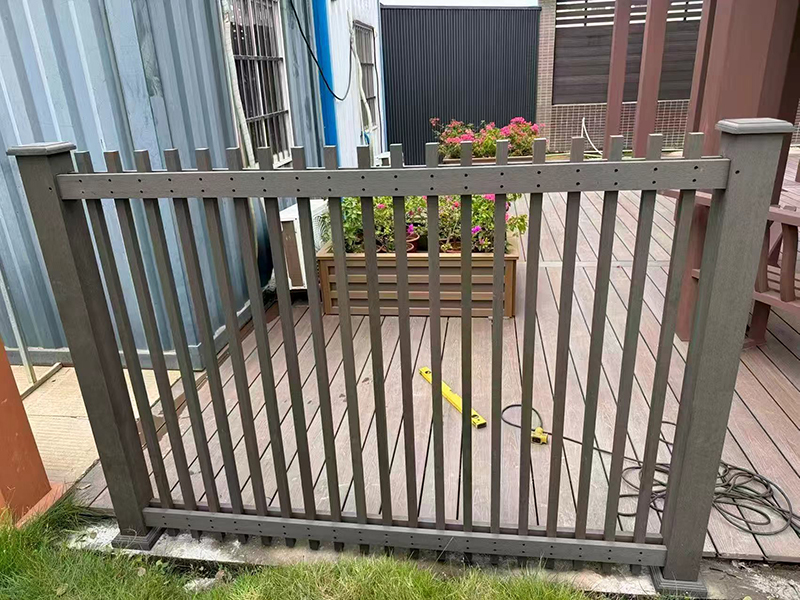
Before you pick up your tools, ensure you cover these essential legal and safety bases:
Check Local Regulations: Always consult your local regulatory agency for specific building codes, height restrictions, and permit requirements for deck railings in your area.
Prepare the Foundation: WPC boards must always be installed on a smooth, flat, strong, and clean surface. If you aren't starting immediately, store your hollow profile WPC boards flat on the ground to prevent warping.
Gather Your Tools: You can use standard woodworking tools (saws, drills, measuring tapes) to install WPC fence wood plastic panels.
CRITICAL SAFETY NOTE: WPC railing products are designed for aesthetic and boundary purposes. They cannot be used as primary load-bearing members such as support posts, columns, beams, or joist stringers. All products must be supported by a code-compliant substructure (such as an internal steel or aluminum post).
Fix the heavy-duty metal post mounts or Main Post Base Jointing into your concrete foundation or wooden deck substructure. Ensure they are perfectly level and spaced according to your railing length.
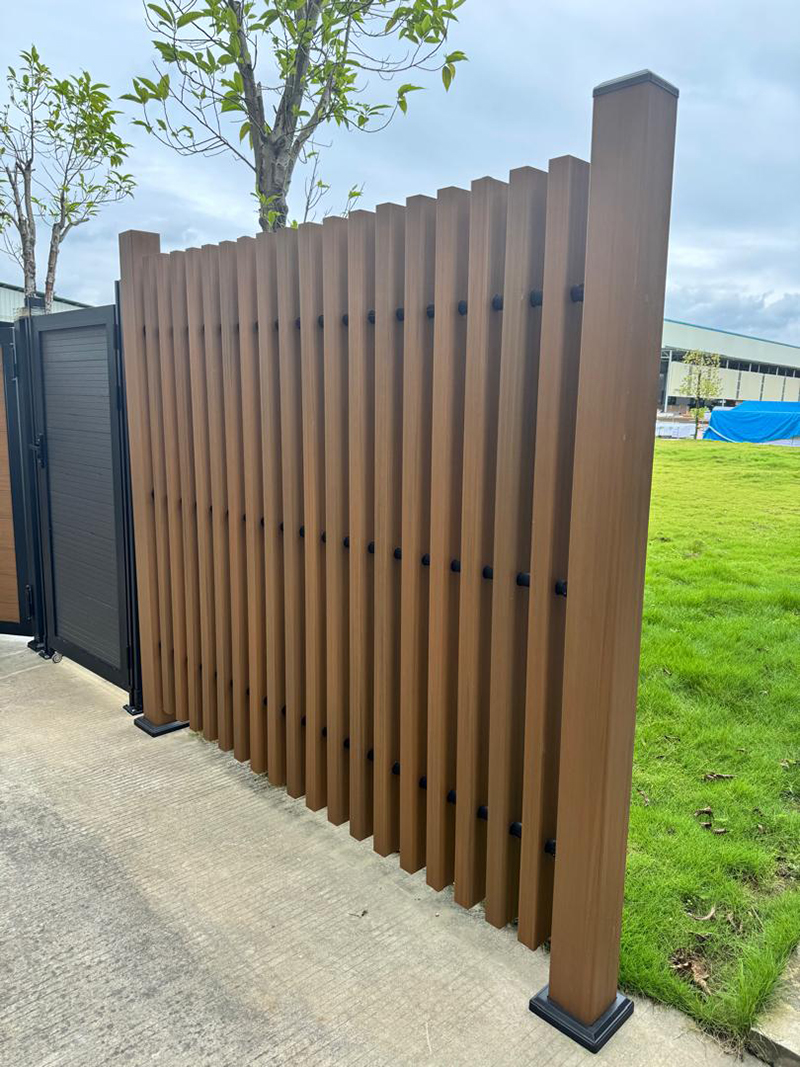
Slide the hollow WPC post profile (e.g., standard 100x100mm posts) over the internal metal support posts. This gives the railing its beautiful wood-like finish while keeping the structure sturdy.
Attach the Cannula of Rail (rail connectors) to the posts. Slide the bottom WPC beam into place, insert the balusters (vertical spindles) using the matching Tenon of Baluster accessories, and cap them off securely with the top handrail beam.
Check the alignment of the entire railing system. Ensure all screws are tightened properly but not over-torqued, leaving slight room for the natural thermal expansion and contraction of the composite material.
Mind the Weather: Avoid installing WPC railings in freezing temperatures, as the material can contract, leading to incorrect spacing measurements.
Static Electricity in High Altitudes: If you live in a high-elevation area with low humidity, static electricity can occasionally occur around composite and metal structures. Placing anti-static mats near your doorways is an easy way to mitigate this.
Measure Twice, Cut Once: Always sketch out a complete layout design and measure your spans precisely before making any cuts to your WPC profiles.
By following these guidelines and using comprehensive WPC systems, you can achieve a professional-grade, beautiful outdoor barrier that enhances your property's value and curb appeal!
Ready to upgrade your outdoor space? Explore our full range of composite railings to find the perfect style for your home.

 English