Email Us
nicoledai@sundi-wpc.com
Call us
+86-13357804798

Balconies demand the highest safety standards in outdoor construction. When choosing a railing material, Wood-Plastic Composite (WPC) is highly favored for its exceptional weather resistance and low-maintenance qualities. However, because balcony railings are subjected to wind loads and physical force, a proper, secure installation is absolutely critical.
Here is how to safely install WPC balcony railings to guarantee both aesthetic appeal and structural peace of mind.
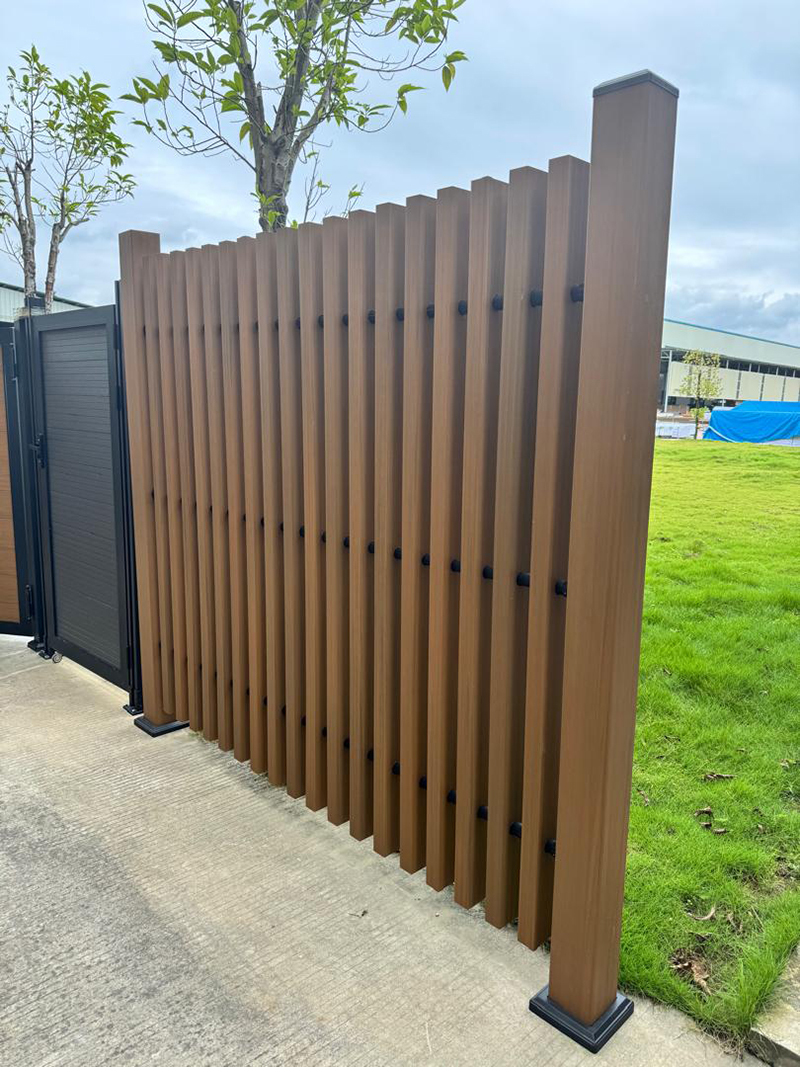
Sundi WPC Co-extrusion Balcony Railing System.
Unlike ground-level garden fences, balcony balustrades have zero margin for error. Consider these three non-negotiables:
Direct-to-Structure Anchoring: Never anchor WPC post bases to decorative tiles or thin wood planks. The post base must bolt directly into the structural concrete slab or heavy steel joists.
Wind-Load Resistance: High-altitude balconies face strong gusts. Utilizing premium WPC products, such as Sundi Co-extrusion Railings, provides a reinforced shell that handles extreme weather much better than traditional composite materials.
Rust-Proof Fasteners: Salt mist and rainwater accelerate corrosion. Always use 304 or 316 stainless steel screws and brackets to prevent structural failure over time.
For the complete installation process, refer to our step-by-step WPC railing installation guide.
Pre-Drill Everything: WPC is highly dense. To prevent cracking or splitting when inserting heavy bolts, always pre-drill pilot holes that are slightly smaller than your screws.
Internal Steel Rebars: For commercial or high-rise balconies, we highly recommend inserting a heavy-duty steel or aluminum tube inside the hollow WPC posts before bolting them down. This steel-reinforced core absorbs lateral loads flawlessly.
The "Gap" Rule: Account for thermal expansion. Leave a 1-2 mm gap at the ends of the rails where they meet the brackets so the material can naturally expand and contract in summer and winter without warping.

 English