Email Us
nicoledai@sundi-wpc.com
Call us
+86-13357804798


For decades, natural timber was the default choice for outdoor railings and balustrades. However, advanced material sciences have introduced a dominant competitor: Wood-Plastic Composite (WPC) railing.
If you are currently deciding between traditional timber and modern composites like Sundi WPC, this comprehensive side-by-side comparison will help you determine the best long-term investment for your residential or commercial project.
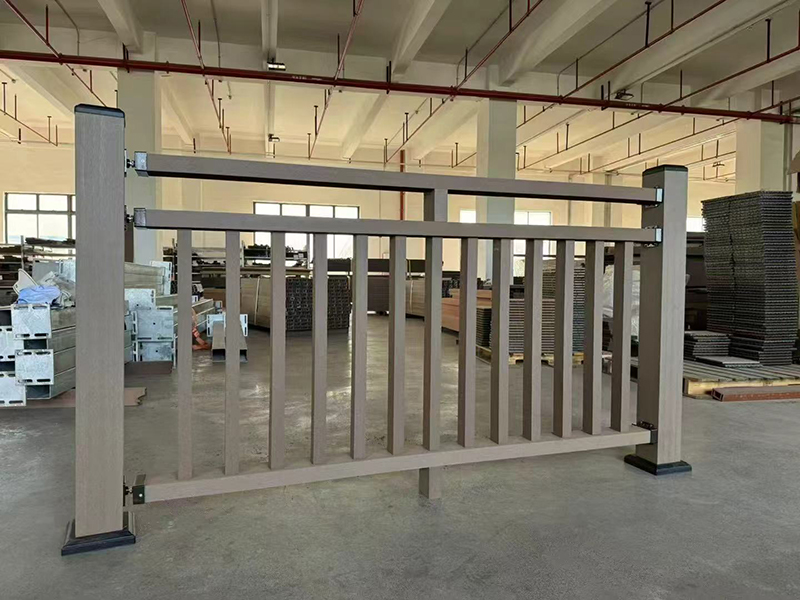
The natural wood texture of WPC mimics traditional timber without the splinters.
Feature | WPC Railing (Composite) | Traditional Wood Railing |
Maintenance | Virtually Zero: Only occasional soap and water wash needed. | High: Requires annual sanding, staining, sealing, or painting. |
Lifespan | 15+ Years: Highly resistant to rot, mold, and termites. | 5-10 Years: Highly susceptible to weathering and insect damage. |
Safety | High: Splinter-free and slip-resistant texture. | Medium: Tends to splinter, crack, and warp over time, posing physical hazards. |
Eco-Friendliness | Excellent: Made from recycled plastics and waste wood fibers. | Low-Medium: Requires logging fresh timber; uses chemical preservatives. |
Upfront Cost | Moderate to High | Low to Moderate |
Lifetime Cost | Very Low (Zero maintenance expenses) | Very High (Repetitive costs of paint, sealers, and labor) |
If you're also considering metal, see our WPC railing vs. metal railing comparison.
While wood has a lower initial material cost, it demands constant upkeep. To prevent rot and warping, timber railings must be treated every 1 to 2 years. Over a decade, the cost of sealants, brushes, and professional labor quickly surpasses the initial price tag of a premium WPC railing. Learn more about proper WPC railing maintenance.
Wood absorbs moisture, causing it to swell, warp, and crack under heavy UV exposure or rain. Sundi's WPC railings combine wood fibers with durable polymers, creating a dense shield that shrugs off humidity, coastal salt mist, and extreme heat.

 English